If you’re hunting for the ultimate summer bikepacking route in Kosciuszko National Park, you can’t go wrong with the Geehi Reservoir Loop. This ride has everything you need to escape a heat wave: cool alpine air, dense native forests, more swim spots than you can count, and some majestic mountain vistas for good measure. It’s the ideal overnighter for beginners or a single-day for anyone comfortable with a 50+ km gravel ride.

Route Overview
Distance: 66km
Elevation: 2075m
Duration: 1-2 Days
Experience Level: Beginner/Intermediate
Location: Kosciuszko National Park, NSW
GPX: https://ridewithgps.com/routes/48916843
About Kosciuszko National park
Kosciuszko National Park is situated on the traditional lands of the Ngarigo People, whose connection to this land spans thousands of years. Unfortunately, the arrival of European settlers in the 1820s had a devastating impact on the lives of the Aboriginal people and the delicate alpine ecosystem. In 1949, the Snowy Mountains Hydro Scheme began transforming the landscape even further, introducing the Geehi Dam alongside 15 other dams, 7 power stations, 80 kilometers of aqueducts, 145 kilometers of trans-mountain tunnels, and countless tracks—including this very route.
Where to start
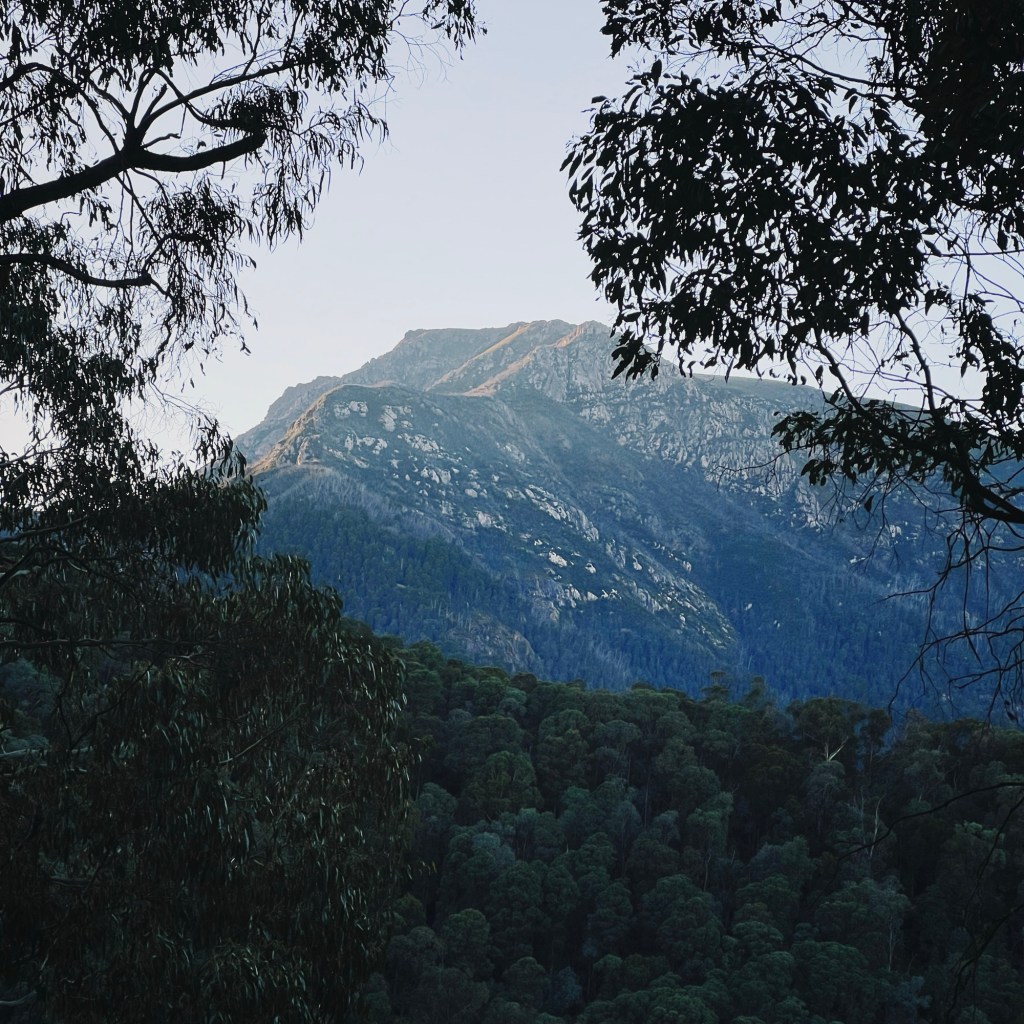
The loop begins and ends at the intersection of the Alpine Way and Geehi Dam Road, which is just over a 3-hour drive from Canberra. For those coming from Khancoban, it’s a quick 30-minute drive, or 1.5 hours from Jindabyne on the Alpine Way in both directions. This road is as scenic as it is winding, so take it easy on the bends and keep an eye out for wildlife.
Trip Report
Starting with a climb
After parking the car at the dirt pull-out on the Alpine Way, the ride jumps straight into it with a solid 10-kilometer climb. This steep start might raise some eyebrows, but trust me, it’s worth every pedal stroke. Take the short detour to Olsen’s Lookout, and you’re greeted with incredible views and a well-placed picnic table – the perfect spot to rehydrate, and refuel.
Olsen’s Lookout to Bellavista
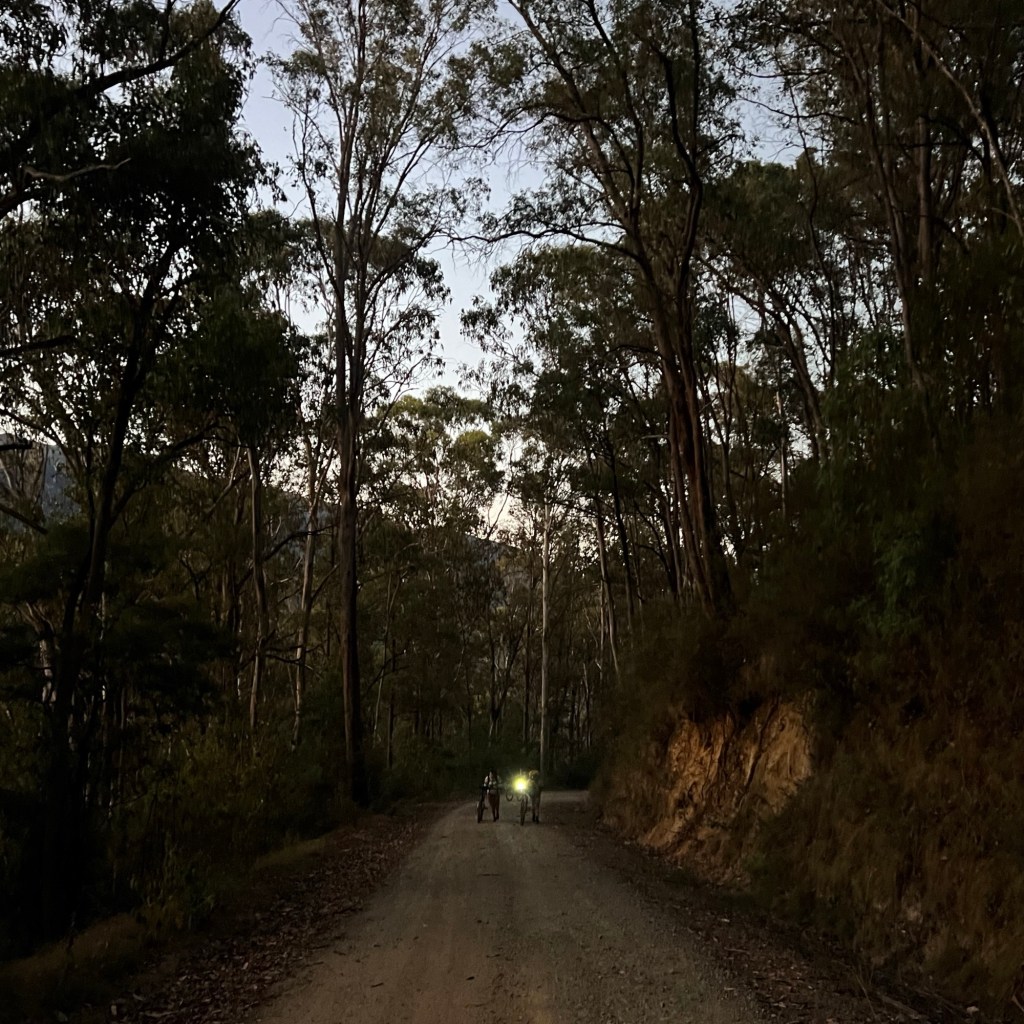
With the hardest climb behind, the trail transitions to a gentler, undulating gradient weaving through dense forest on smooth gravel. Soon, Bellavista appears at the intersection of the Geehi Link, a relic from the Snowy Scheme. Once a bustling townsite housing over a thousand workers that were building the nearby dam and aqueducts. All that remains now is a bit of rubble, though it’s a cool historical checkpoint worth mentioning.

Bellavista to Geehi Reservoir
Continuing on, the Geehi Dam comes into view as the descent brings riders over Middle Creek Waterfall. This is a great place to camp for those planning an overnight stay, with a small weir nearby and a grassy area perfect for pitching a tent. Just be prepared for the occasional hum of machinery from the (sometimes) active Snowy Hydro Buildings in the area.

Geehi Reservoir to Verandah Camp
Crossing the dam wall marks the end of the public road, and the adventure really begins. Beyond this point, only National Park and Snowy Hydro vehicles access the Geehi River Aqueduct Track. The route gets rougher, with rugged gravel making for a more interesting ride. Little streams feed into the aqueduct, and with some luck, a few lyrebirds might make an appearance.
Just past the turnoff for the Geehi Link Road, the trail becomes the Lady Northcote Canyon Track. Here, it ramps up with steep, short climbs that will definitely get the heart rate up. We spotted a large sambar deer strutting through this section. Before long, you’ll pass Verandah Camp, an old Snowy Mountains worksite that saw its final days in the 1970s. This is another nice spot to camp, however water can be unreliable from the nearby Verandah creek.

Watsons Gorge & Siren Song Tunnel
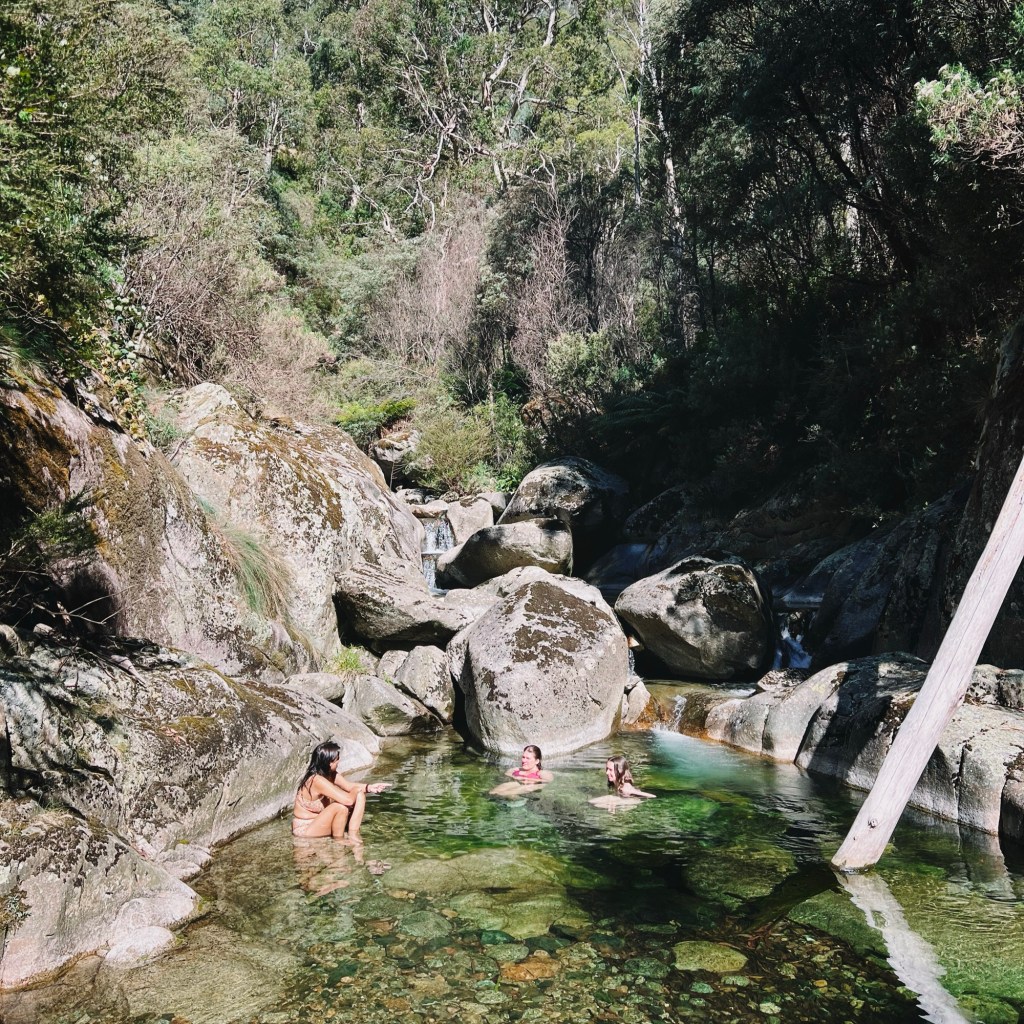
This section is the pièce de résistance of the entire track, with the towering walls of the Main Range mountains reappearing as the trail turns east. Soon, you’ll reach Watsons Gorge—a jaw-dropping feature that begs to be explored. It’s a perfect place to wander through and find a spot for a refreshing dip.
The track eventually ends at the Siren Song Tunnel, a 2.5-kilometer tunnel burrowing under the mountains. While it’s tempting to venture inside, it’s strictly off-limits for safety reasons. Water can surge through unexpectedly, potentially flooding the tunnel, but the waterfalls at the entrance are well worth checking out.

Closing the Loop
To finish the loop, head back to the Geehi Link Road, which takes you to the other side of the valley and back to Geehi Dam Road. Get ready for a fast descent, but don’t celebrate too soon—it’s followed by a steep climb across the Geehi River. Take a moment to cool off and refill water before bracing for the last push.
That grueling 10-kilometer climb at the start? Now it’s a rewarding, wind-in-your-face descent with stunning landscapes racing by, marking the perfect finale back to the car.
Tips for Bikepacking Geehi Reservoir Loop
- Bring a Durable Bike: The track has its share of rough spots, especially on Lady Northcote Canyon Track. A mountain bike or gravel bike with chunky tires will make life a lot easier. Be sure to pack essential bike repair tools—this is remote area with no phone reception.
- Camp or Stay at Geehi Campground: For those coming from further away or wanting to make a weekend of it, Geehi Campground is nearby and has toilets, a cool hut, epic views and a nice swimming spot. Plus, it’s conveniently close to the start of the loop.
- Ride in the Off-Season: The Geehi Reservoir Road is closed to cars in winter, making it the perfect time for a quieter, car-free experience. Just remember, this is the Snowy Mountains, so always check weather conditions before heading out, regardless of the season.
- Water and Snacks: Plenty of creeks and streams are along the way, so bring a water filter to refill as needed. When it comes to snacks, bring more than you think you’ll need—energy is key for tackling climbs on a bike.
- Mind the Wildlife: Keep an eye out for wildlife, especially in the early morning or late afternoon. Kangaroos, sambar deer, and the occasional snake call this place home. Ensure a first aid kit is on hand, including a snake bandage, and have a reliable way to call for help, like a PLB or satellite phone.
- No Toilets Along the Route: Be prepared for a lack of toilet facilities. It’s important to follow Leave No Trace principles and bring a trowel for proper waste disposal if nature calls.
 Kate Aliice